Some portable and standby generators can run on propane (LPG), offering longer storage life than gasoline. Sizing, transfer switches, and installation codes are job-specific — use a licensed electrician/propane technician for standby systems. This page stays on fuel logistics.
Fuel supply options
- Portable generators may draw from a DOT cylinder (sometimes with a dual-fuel kit). Follow the generator maker’s hose and regulator specs.
- Standby generators often connect to a large ASME propane tank on a delivery contract, similar to home heating.
Public AFDC stations help when you need cylinder fills; bulk home tanks are usually supplier-delivered. AFDC overview of propane fuel: propane basics.
Runtime and fuel math
Runtime depends on load and generator efficiency — use the manufacturer’s fuel-consumption tables. To convert cylinder weight to gallons for planning, use 4.24 lb/gal in our calculator. For cost context (not generator retail quotes), see EIA residential prices.
Safety
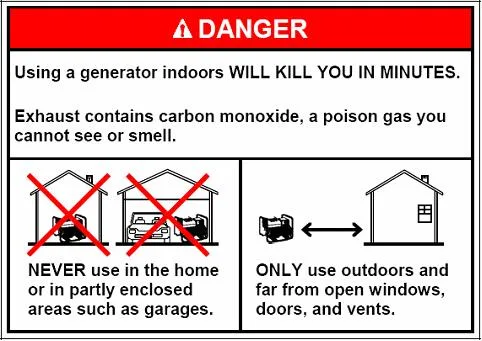
Operate portable generators outdoors away from windows and doors (carbon monoxide hazard). Keep propane connections tight and cylinders upright. CO and generator safety: CPSC and NFPA.
Find a station near you
Open the nationwide map and click Use my location to center nearby AFDC propane stations. Or jump to busy state hubs:
- Texas · California · Florida
- Ohio · Michigan · Pennsylvania