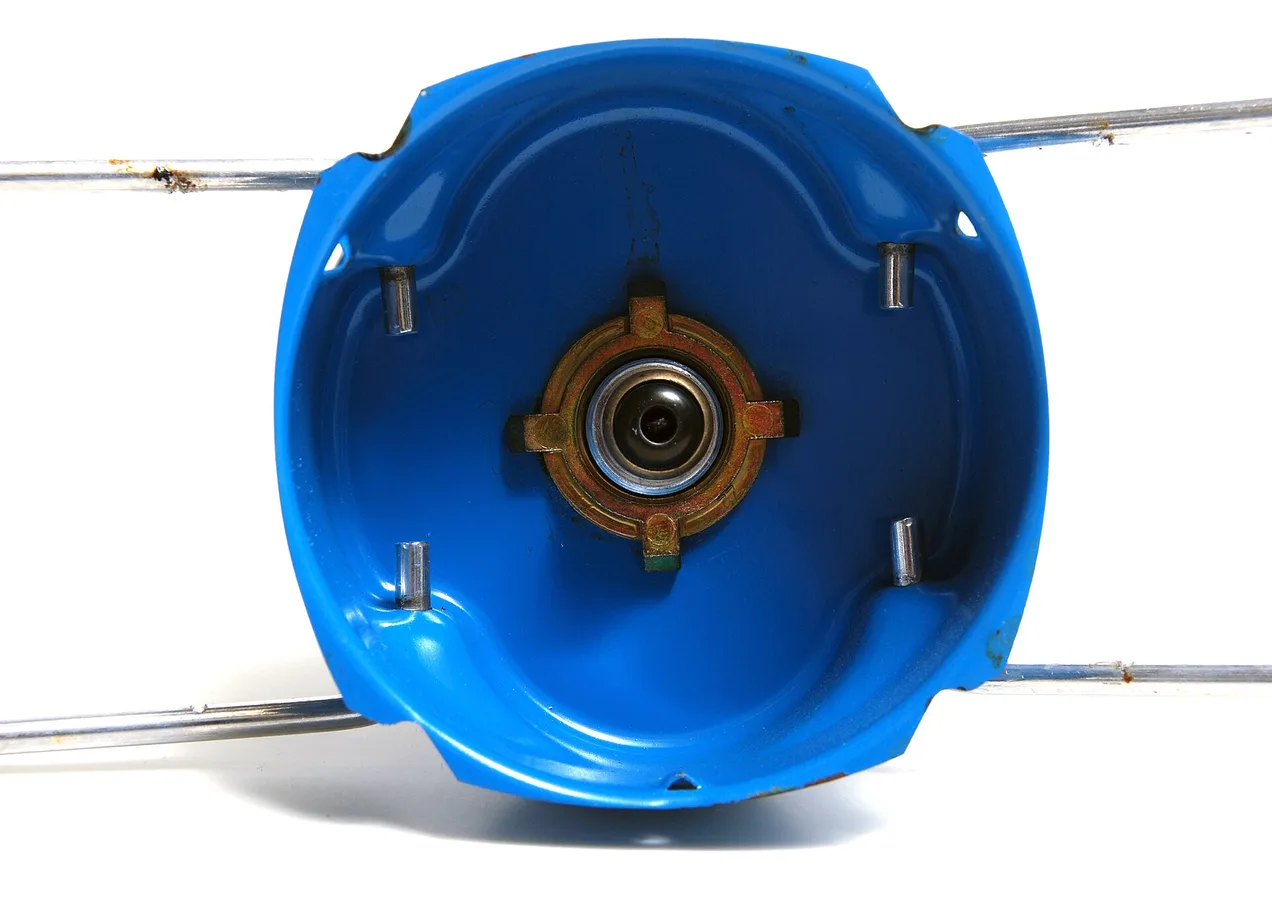
Propane is safe when equipment is in good condition and used as designed. Most incidents involve leaks, poor ventilation, damaged valves, or tanks stored incorrectly. This is general information — follow manufacturer labels and local fire codes.
Storage and transport
- Keep cylinders upright with valves closed when not connected.
- Do not store filled cylinders indoors in living spaces or unventilated areas.
- In a vehicle, secure the tank upright and ventilate; do not leave tanks in a closed hot car longer than needed.
- Protect valves from impact; use plugs/caps when required by the tank design.
Before you light anything
- Inspect hoses and connections for cracks, wear, or the smell of odorant (rotten-egg smell is added to propane for detection).
- If you suspect a leak: do not create sparks or flames, leave the area, and from a safe place shut off the supply if you can do so safely — then call for help.
- Use soapy water on connections to look for bubbles when checking for leaks (follow appliance manuals).
Public resources
- NFPA home fire safety education (National Fire Protection Association)
- U.S. Consumer Product Safety Commission — search “propane” for recalls and safety alerts
- AFDC propane basics
When you get a refill, ask the attendant to check the OPD valve and collar condition. If a tank is rusted through, heat-damaged, or out of requalification date, replace it.